

dragon fruit freeze dried
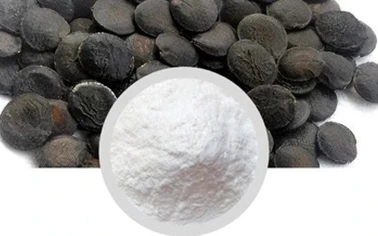
Inside China’s High-Purity Grape Seed Extract: What Buyers Really Want to Know If you source botanical actives, you already know the heat around polyphenols isn’t fading. I recently visited suppliers in Hebei and, to be honest, was impressed by how far quality control has come. Here’s a grounded take on Grape Seed Extract Powder Proanthocyanidins Polyphenols Chinese Factory High Purity —from tech specs to real-world use and how to vet a vendor without getting lost in buzzwords. Industry snapshot Demand is fueled by “beauty-from-within,” sports recovery, and clean-label fortification. Brands want verified OPC (oligomeric proanthocyanidins), low solvents, and stable color/solubility. Interestingly, beverage formulators are asking for better clarity at lower pH; cosmetics teams want smaller particle sizes for smoother dispersion. It seems the winning combo is ethanol–water extraction plus tight microbial control. Product tech specs Name Grape Seed Extract Powder Proanthocyanidins Polyphenols Chinese Factory High Purity Source / Part Vitis vinifera L., seeds Extraction solvent Water & Ethanol (food grade) OPC (DMAC method) 95% ≈ typical, batch data 95.4% (real-world use may vary) Total polyphenols ≥ 80% (Folin–Ciocalteu, gallic acid eq.) Mesh size 95% pass 80 mesh Loss on drying ≤ 5.0% Heavy metals Meets USP <232> (Pb < 0.5 ppm, As < 0.5 ppm, Cd < 0.3 ppm, Hg < 0.1 ppm) Microbiology TPC ≤ 1,000 cfu/g; Yeast/Mold ≤ 100 cfu/g; Pathogens: absent Certs & claims Non-GMO, BSE/TSE-free, Non-irradiation, Allergen-free; ISO22000/HACCP Packaging / service life 25 kg/drum with liners; shelf life 24 months sealed, cool & dry Origin Building 23B1, No.2 Yuanboyuan St., Zhengding Area of China (Hebei) Pilot Free Trade Zone Process flow (how it’s actually made) Materials: cleaned Vitis vinifera seeds from vetted wineries → ethanol–water extraction → filtration → membrane ultrafiltration → vacuum concentration → spray drying → milling/sieving → blending → QC release. Methods: OPC by DMAC; polyphenols by Folin–Ciocalteu; residual solvents by GC; pesticides per USP ; micro by USP /. To be honest, membrane steps make a big difference in clarity and off-taste. Applications (and what formulators ask) Capsules/tablets: 50–300 mg/serving is common; many customers say 100 mg OPC 95% hits a sweet spot. Functional beverages: clarify at pH 3–4; trial at 0.02–0.05% for color and polyphenol lift. Cosmeceuticals: antioxidant serums, masks; finer mesh requested for stable dispersions. Bakery/bars & pet nutrition: color stability and taste masking matter more than you think. Vendor comparison (quick reality check) Factor This factory Generic trader EU brand OPC consistency ≈95% ±1% ≈90% ±5% ≈95% ±1% Traceability Full lot docs, winery sourcing Partial Full MOQ / lead time 25 kg / 7–10 days 50 kg / 14–21 days 25 kg / 10–15 days Third‑party testing ISO/IEC 17025 labs On request Standard Customization OPC 60–98%, mesh, carriers Limited Moderate Customization and QC Options: OPC 60/80/90/95/98%; polyphenols ≥70–90%; micro-reduced lots; beverage-grade clarity; custom carriers (Maltodextrin-free if needed). Testing includes DMAC for OPC, Folin for total phenolics, GC for residual ethanol (<5000 ppm), and full pesticide screens per USP . Surprisingly, some brands now request dioxin/PCB checks for EU launches—doable with the right lab. Case notes and feedback - US gummies brand: moved to Grape Seed Extract Powder Proanthocyanidins Polyphenols Chinese Factory High Purity at OPC 90% for better taste; report fewer clumping issues after switching to finer mesh. - APAC beverage: 0.03% inclusion at pH 3.5 delivered color without haze; micro kept below 500 cfu/g post-fill. Many customers say lead times are predictable, which helps. Bottom line: if you need verified OPC with clean processing and tight specs, Grape Seed Extract Powder Proanthocyanidins Polyphenols Chinese Factory High Purity is a practical, scalable choice—especially when documentation and third‑party testing are part of the deal. References Singleton VL, Rossi JA. Colorimetry of total phenolics with phosphomolybdic–phosphotungstic reagents. Am J Enol Vitic. 1965. AOAC Official Method 2015.06: Determination of Total Procyanidins by DMAC. United States Pharmacopeia. General Chapter <561> Articles of Botanical Origin. ISO/IEC 17025:2017 – General requirements for the competence of testing and calibration laboratories.
Finutra devotes to be an integrated supplier for global supply chain, we offer a
broad array of raw materials and functional ingredients
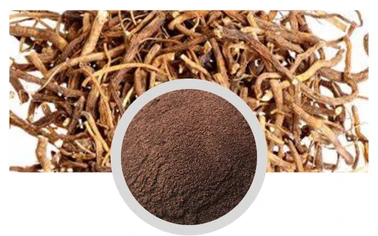
function of sialic acid
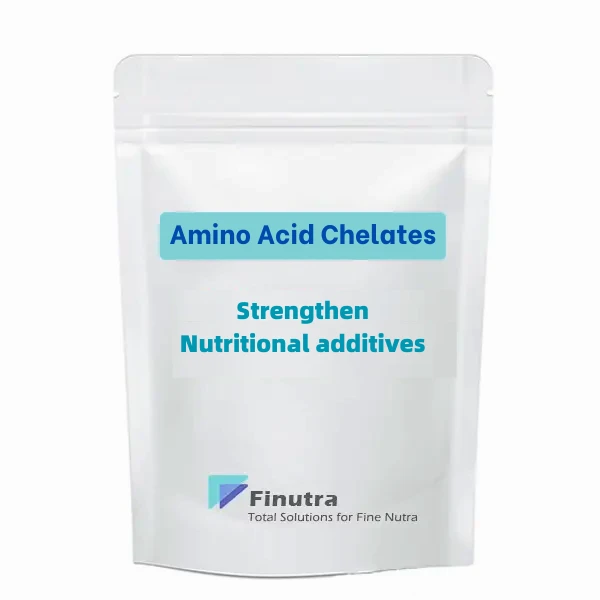
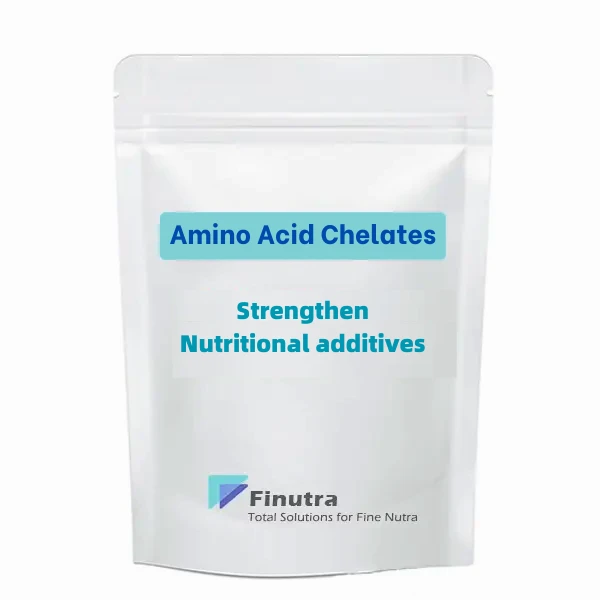
Mineral Amino Acid Chelates ( Complexes )& Salts; Strengthen Nutritional additives is a key solution in the Nutrition and health industry, specifically within nutrient fortifier and Mineral and amino acid chelates. This article explores how Hebei Finutra Biotech Co., Ltd. supports professionals with durable, high-performance products, and explains why this product is an ideal choice for businesses
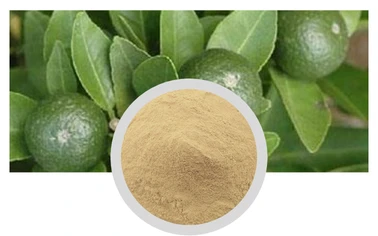
magnesium glycinate tablets uses
Pharmaceutical application of microencapsulation has become an integral part of modern medicine, enabling controlled drug delivery and enhanced bioavailability. By encapsulating active ingredients within protective coatings, the pharmaceutical application of microencapsulation ensures targeted delivery and prolonged release. This approach is particularly valuable in treating chronic conditions, wh

avocado juice powder
Inulin powder, a naturally occurring soluble fiber derived from plants, has emerged as a versatile and health-conscious alternative to traditional sweeteners. Known scientifically as a fructooligosaccharide (FOS), this prebiotic compound supports gut health by nourishing beneficial microorganisms. With its mild sweetness—about 10% the intensity of sugar—Inulin Powder is increasingly used in food f
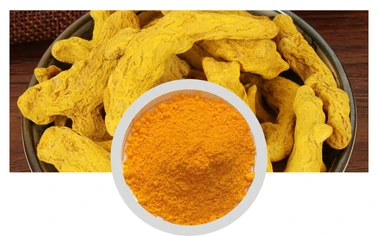
pqq lozenges
Schwarzer Pfefferextrakt, auch als Piperin bekannt, ist ein vielseitiges Nahrungsergänzungsmittel, das weltweit an Popularität gewinnt. Es steckt voller potenzieller Vorteile, die von gesundheitlichen Verbesserungen bis hin zur Unterstützung bei der Gewichtsabnahme reichen, und wird von vielen als wesentliche Ergänzung zu ihrer täglichen Routine betrachtet. Diese Vielseitigkeit und die zugrunde li
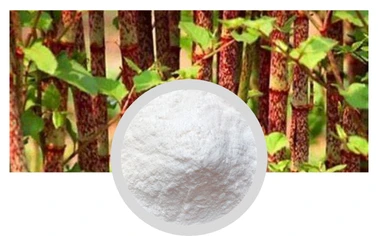
natural riboflavin
Beadlets Lutein Zeaxanthin Lycopene Microencapsulation is a key solution in the health industry, specifically within Nutritional health products and functional food ingredients and Carotenoid raw materials. This article explores how Hebei Finutra Biotech Co., Ltd. supports professionals with durable, high-performance products, and explains why this product is an ideal choice for businesses in thes
calcium gluconate in sodium chloride injection
Overview & Industry Trends Mineral Amino Acid Chelates (Complexes) & Salts; Strengthen Nutritional additives are next-generation nutritional technology, widely adopted in the food, feed, pharmaceutical, nutraceutical, and cosmetic industries for their enhanced bioavailability and stability. With surging global focus on health, demand for premium nutritional additives is projected to grow at a CAGR
Authoritative Certification
Continuous Innovation, Customer First
Enhance core competitiveness to bring customers better products and services,
Each of these is the result of our team's relentless pursuit of excellence
and our deep commitment to social responsibility.








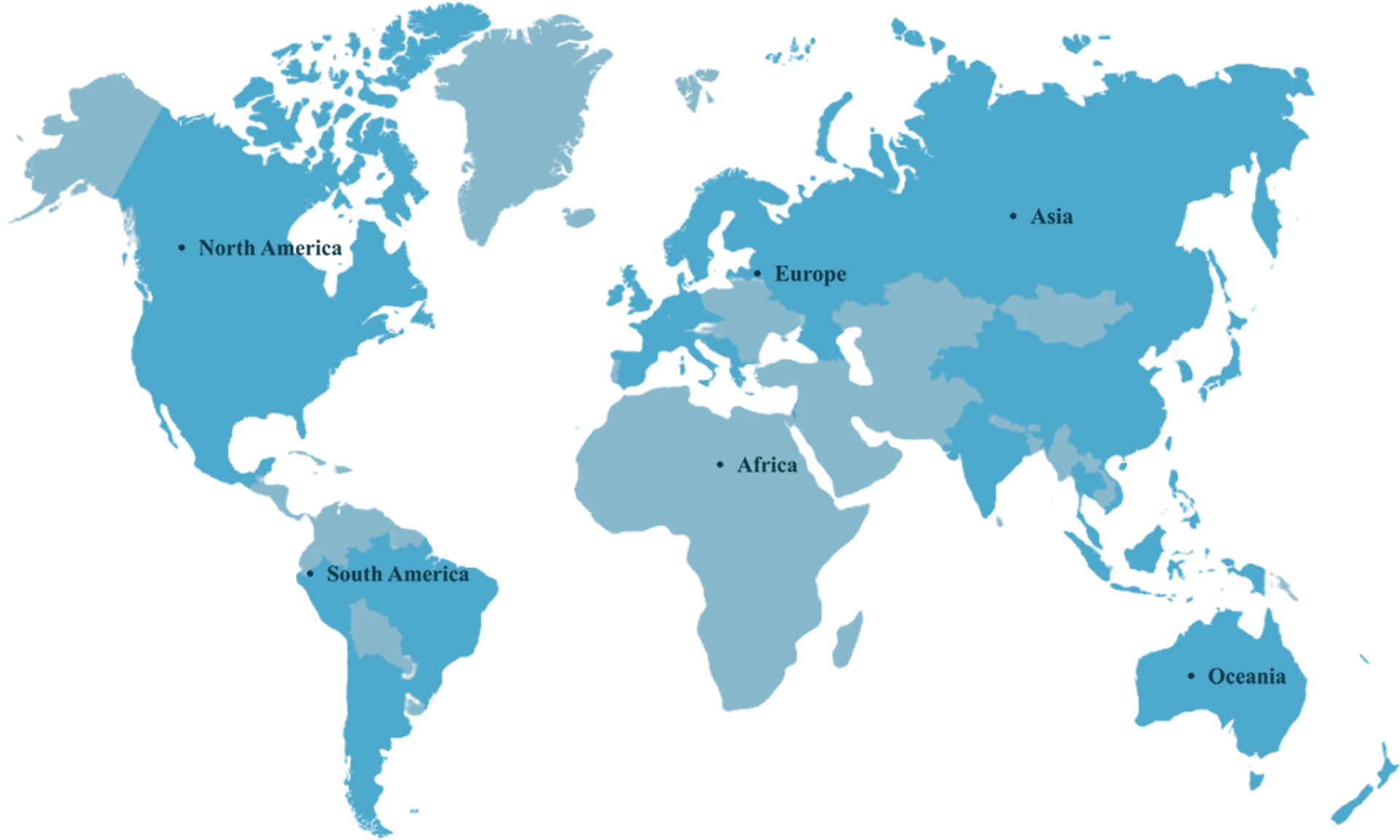
Global
Reach
FINUTRA has over 350,000 square feet of manufacturing and warehouse
space worldwide.
Industries We Serve

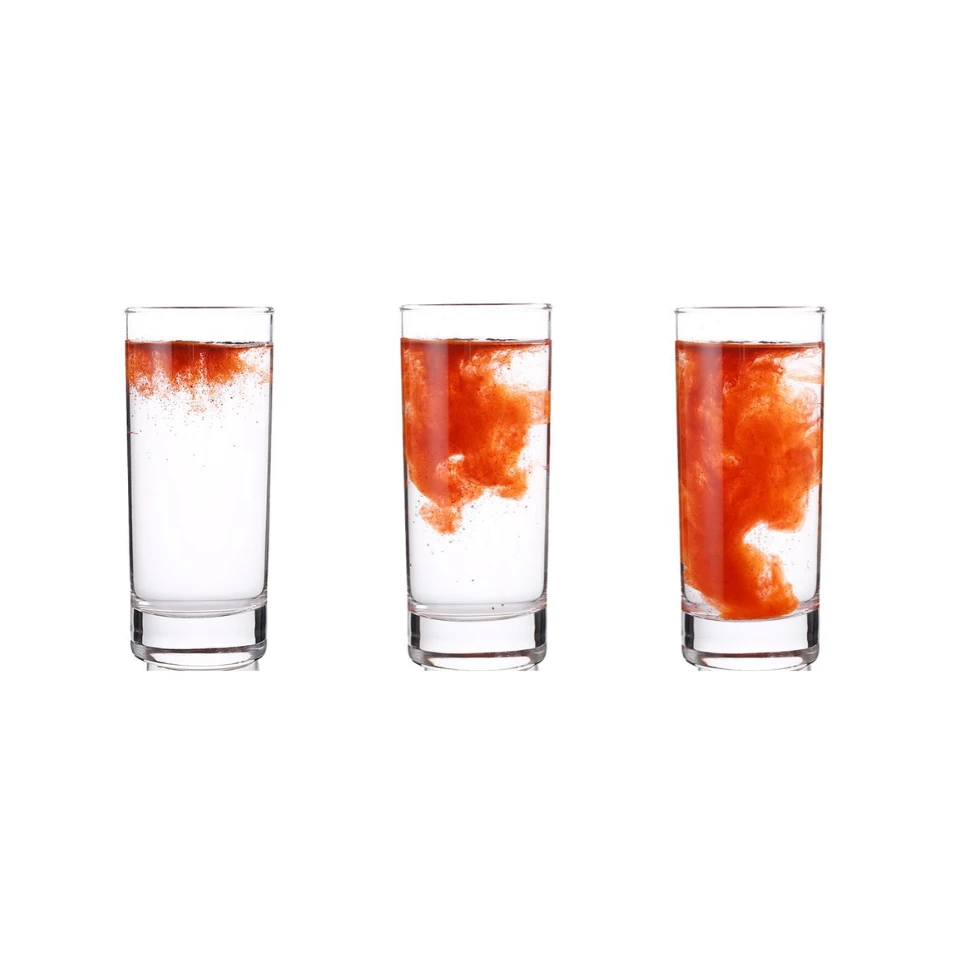
Advanced molecular distillation and microencapsulation
technology. Extremely bioavailable
trace carotenoids Intuitively soluble.


STAY UPDATED
Receive special offers and first look at new
products.
products.


Building 23B1, No.2 Yuanboyuan St., Zhengding Area of China (Hebei) Pilot Free Trade Zone
QUICK LINK
Finutra devotes to be an integrated supplier for global supply chain, we offer a broad array of raw
materials and functional ingredients as a manufacturer, distributor and supplier for global Beverage,
Nutraceutical, Food, Feed and Cosmeceutical.
Copyright © 2025 Hebei Finutra
Biotech Co.,
Ltd. All
Rights Reserved.
Privacy Policy


